

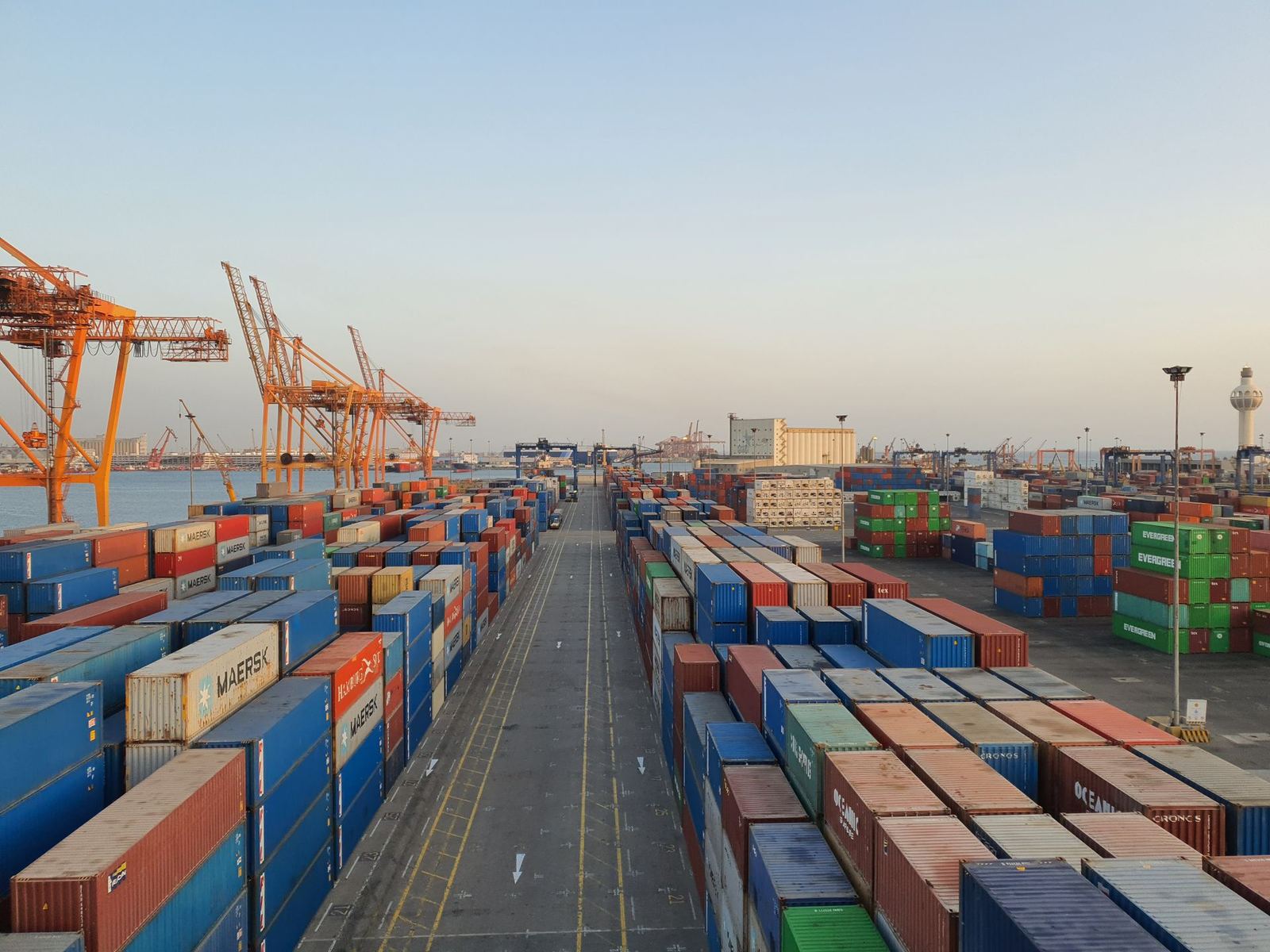
A guide on the licensing process, end-user certificates, dual-use items and sanctions screening.
Unlike ordinary trade, the export of defence electronics products is carried out under the authority and supervision of states. For both suppliers and buyer institutions, understanding the processes correctly is important for preventing delays and sanctions risk. In this article we summarise the general framework; it is not legal advice.
1. Product classification
The first step is to determine which control list the product and technology are on. Military items are usually on national military goods lists, while dual-use items are on the lists annexed to international regulations. Incorrect classification can stop the export.
2. Licence and permit process
For defence exports, prior permission is obtained from the competent authorities. The application states product description, quantity, buyer institution, end user and purpose of use. The process varies from weeks to months depending on the product and country.
3. End-user certificate
The buyer institution submits a document showing the purpose and user of the product. The document also contains re-export prohibitions or restrictions. The authenticity of the document and the authority of the signatory must be verified.
4. Sanctions and restricted-party screening
All buyers, intermediaries, banks and shipping companies are screened against national and international sanctions lists. Screening is repeated not only before the contract but before each shipment.
5. Technology transfer and software
Software, technical data and training are also under control. Remote access, software updates and sharing technical information with foreign personnel may require a permit.
6. Record keeping
Documents related to export transactions are kept for at least 10 years. In an audit the company must be able to show the entire process with documents.
Internal compliance programme
A strong compliance programme consists of management commitment, risk assessment, written procedures, employee training, audits and a whistle-blowing channel. At Sancar the compliance unit reports directly to the General Manager and gives mandatory annual training to all employees.
Tips for buyers
- Send your request with an official institutional letter.
- Prepare the end-user certificate early.
- If you use an intermediary, document their authority and reputation.
Common mistakes
- Giving a quotation before classifying the product
- Skipping due diligence on intermediary firms
- Not repeating sanctions screening before shipment
- Forgetting permit checks for software updates and remote support
Schedule planning
The compliance and permit process is a natural part of the contract timeline. When setting delivery dates, sufficient buffer must be left for permit durations, and the process should be managed together with the buyer institution rather than unilaterally.
Related Posts
AI in Electronic Warfare: How Does Threat Classification Work?
The role of machine learning in radar warning receivers, accuracy metrics and the relationship with the human operator.
Read More